
Forensic Case Evaluation and Biomechanical Review in Southern California
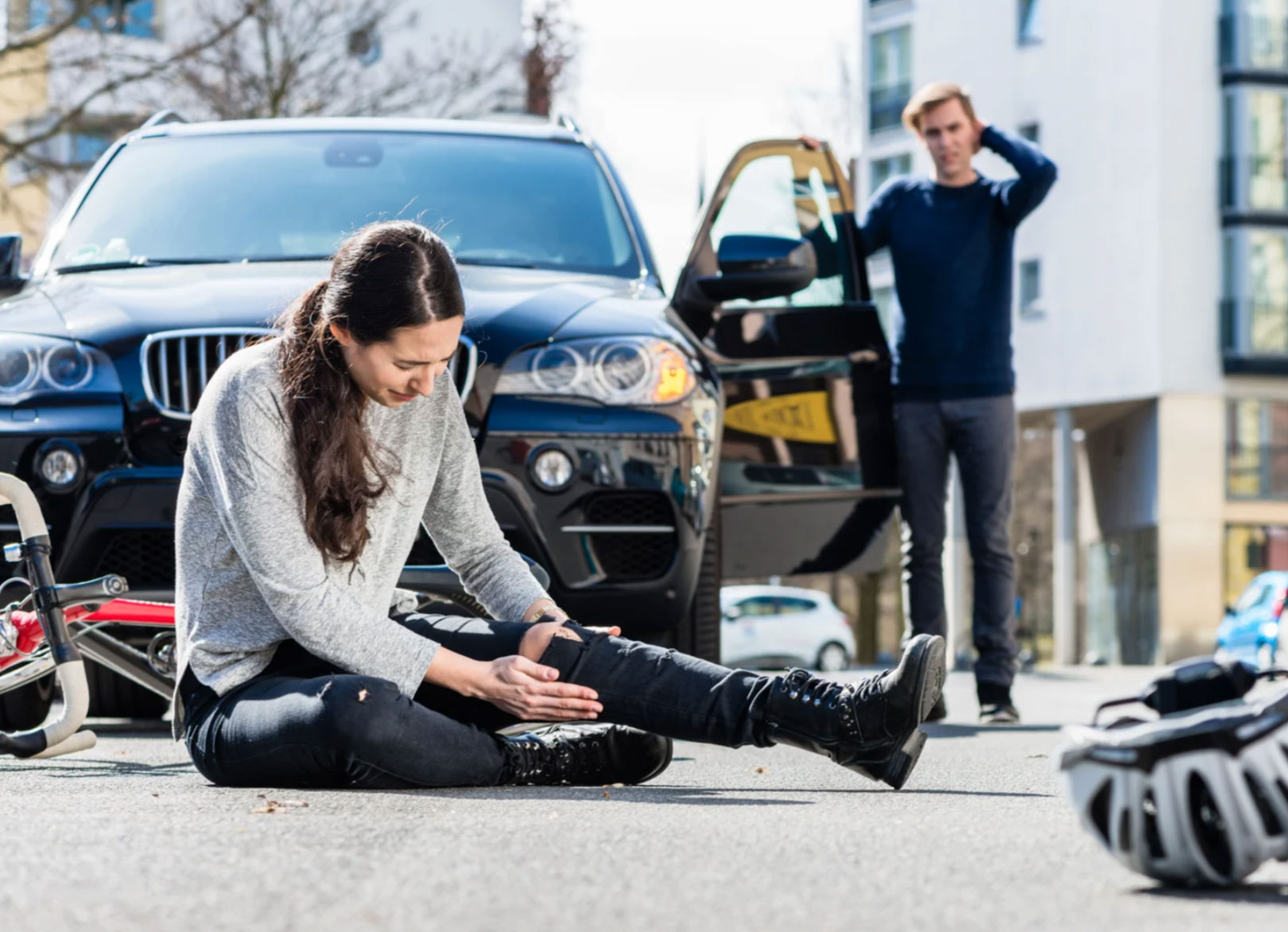
Painfreedom provides forensic case evaluation and biomechanical review services across Southern California, helping attorneys, insurers, and professionals better understand how an injury occurred and whether the claimed injury mechanism aligns with the facts. Our work combines clinical insight with applied biomechanics to evaluate cases involving motor vehicle collisions, workplace incidents, and other events where force, stress, and impact affect the human body.
Objective Analysis Rooted in Biomechanics
Our team applies principles of forensic biomechanics to examine how external force and accelerations interact with the human body during an event. Through detailed biomechanical review, we evaluate whether the reported injury is consistent with the described mechanism and available evidence.
Each forensic case evaluation and biomechanical review includes a structured analysis of:
- The reported injury and medical findings
- The proposed injury mechanism
- The magnitude of impact, stress, and accelerations involved
- The role of safety systems such as seat belt and airbag use
- The overall consistency between clinical findings and event details
This approach helps clarify causation in complex cases where multiple variables may influence the outcome.
Supporting Legal and Insurance Cases
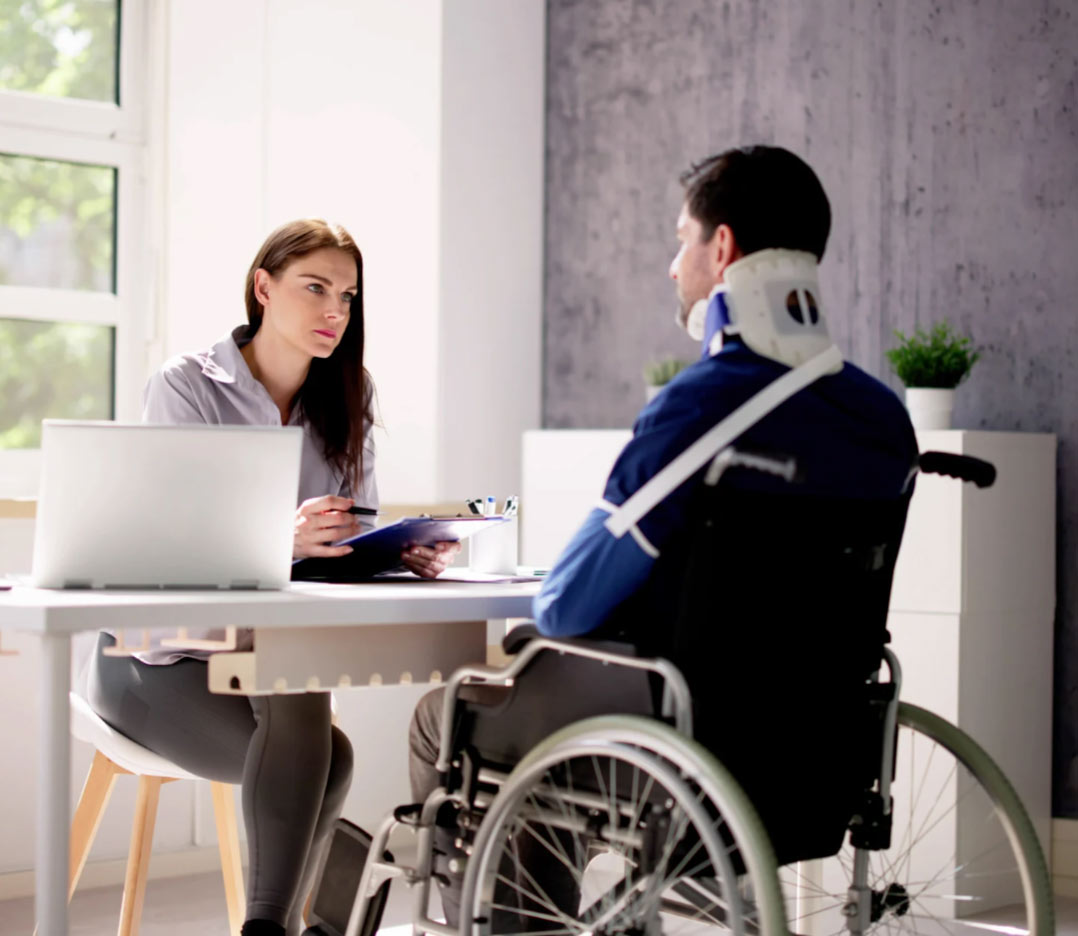
Across Southern California, we routinely assist with cases requiring objective insight into injury claims. Our forensic case evaluation and biomechanical review process is designed to support:
Personal injury and civil litigation
Insurance claim disputes
Workplace injury evaluations
Multi-vehicle accident reconstruction scenarios
We carefully review witness statements, medical records, and incident reports to assess whether the described impactand mechanism are biomechanically plausible. In select situations, our findings may contribute to professional testimony, depending on case needs and scope.
Understanding Injury and Causation
A key focus of our work is evaluating injury causation—whether the forces involved in an event are sufficient to produce the claimed injury. Using established biomechanics principles, we analyze:
- Direction and magnitude of impact
- Resulting accelerations of the body
- Tissue tolerance and limitations
- Interaction with restraints like seat belt systems and airbag deployment
For example, in low-speed collisions, the level of force and resulting stress on the body may differ significantly from higher-speed events. Each example is evaluated individually to determine whether the claimed injury aligns with the physical evidence.
Why Choose Painfreedom
Focused expertise in forensic biomechanics and clinical application
Thorough, objective biomechanical review of each case
Clear communication of findings for legal and insurance professionals
Consistent methodology across all cases
Commitment to accuracy, consistency, and evidence-based analysis
Areas we serve
Los Angeles
Orange County
Surrounding Southern California Regions

A Structured and Evidence-Based Practice
Our practice emphasizes clarity, transparency, and scientific grounding. We rely on established research in biomechanics, including peer-reviewed literature and findings commonly discussed in scientific journal publications. Each report is written in a clear, structured format, similar to an abstract, summarizing key findings and conclusions.
We recognize the limitations of biomechanical analysis and clearly communicate them in every forensic case evaluation biomechanical review. This ensures that conclusions remain accurate, balanced, and supported by available data.
Regional Expertise in Southern California
Operating throughout Southern California, we understand the regional factors that can influence cases, including traffic patterns, roadway conditions, and common accident scenarios. Whether reviewing urban collisions in Los Angeles or freeway incidents across Orange County and San Diego, our evaluations are tailored to the context of each case.
Our familiarity with local conditions enhances our ability to interpret witness statements, analyze accident reconstruction data, and assess how specific circumstances may affect injury outcomes.